The Workout Is Only Half the Equation - Why Rest, Recovery, and Sleep Make You Stronger
Think more training always means more progress? Coach Marcus White on why rest, sleep, and recovery are what actually make you stronger.
By
August 17, 2026
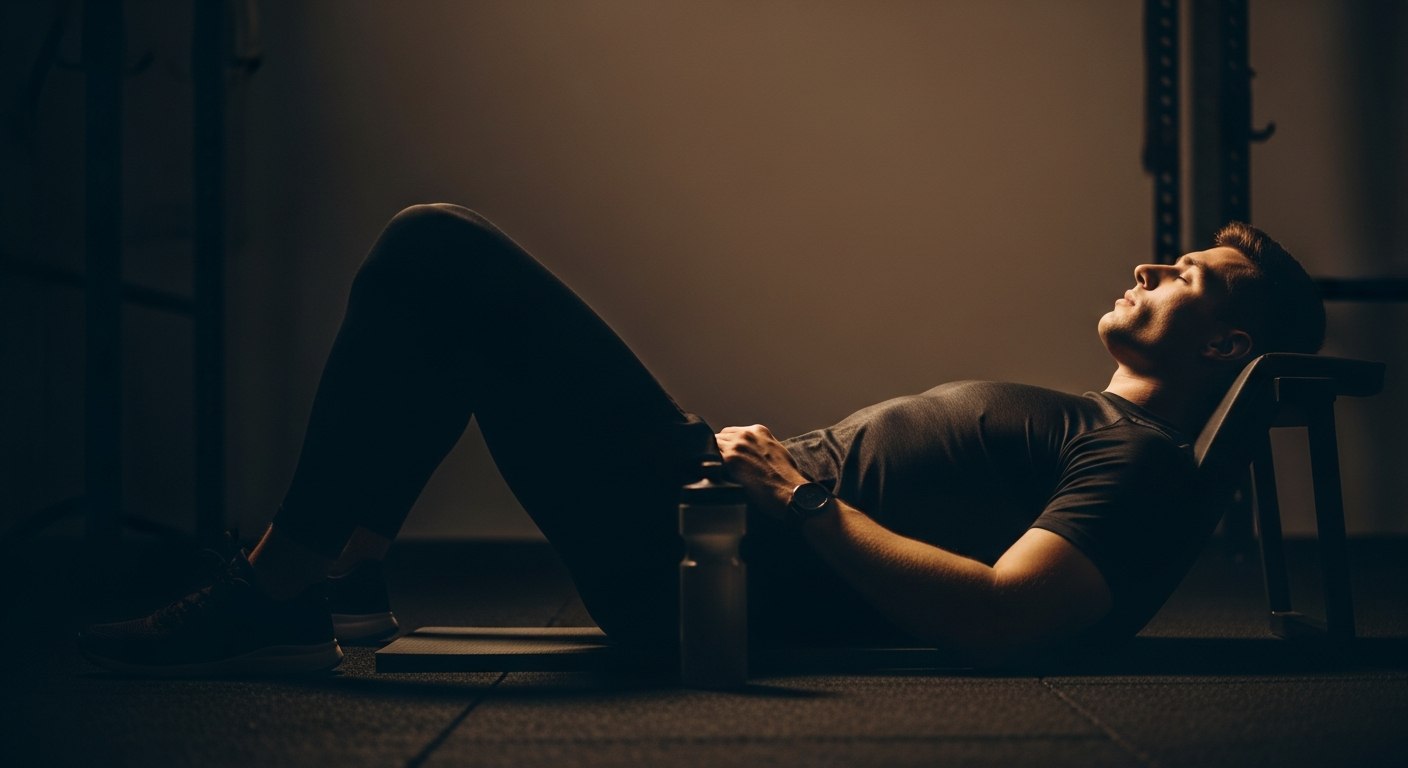

As CrossFit coaches, we love seeing people chase big goals. We celebrate PRs, first pull-ups, heavy cleans, faster Fran times, and every victory in between. We talk a lot about intensity, consistency, and showing up. But there's one part of fitness that doesn't get nearly enough love because, frankly, it isn't as exciting.
Rest.
Somewhere along the way, people started wearing exhaustion like a badge of honor. More workouts. More volume. More grinding. More suffering. If one workout is good, two must be better, right?
Not exactly.
Here's something every experienced athlete eventually learns: your body doesn't get stronger during the workout. The workout is simply the signal. Strength, endurance, speed, and power are built during recovery.
Think about what happens every time you leave the gym. You've challenged your muscles, taxed your nervous system, and emptied your energy tank. Your body immediately gets to work repairing damaged muscle fibers, restoring glycogen, balancing hormones, and preparing you for the next challenge. That's adaptation. That's where fitness actually happens.
If you never allow that process to finish, you're constantly asking your body to withdraw from an account that never has time to refill.
Here's the thing about CrossFit: intensity works because it's balanced with recovery. We program different movements, different energy systems, and different levels of loading for a reason. The goal isn't to destroy you every day. The goal is to make you fitter over months and years.
Elite CrossFit athletes aren't successful because they can suffer more than everyone else. They're successful because they recover better than everyone else. They prioritize sleep. They eat enough quality food. They hydrate. They listen to their bodies. They take recovery seriously because they know it allows them to train hard again tomorrow.
The Warning Signs
That's when the warning signs start showing up.
The bar feels heavier than it should. Your lifts stall. Your conditioning gets worse instead of better. Your shoulders ache. Your knees complain. You're unusually irritable. You can't sleep well, even though you're exhausted. The warm-up feels like the workout.
Sound familiar?
That's not a sign that you need to train harder. More often than not, it's your body asking for recovery.
Recovery Isn't Laziness
Recovery doesn't always mean spending the day on the couch.
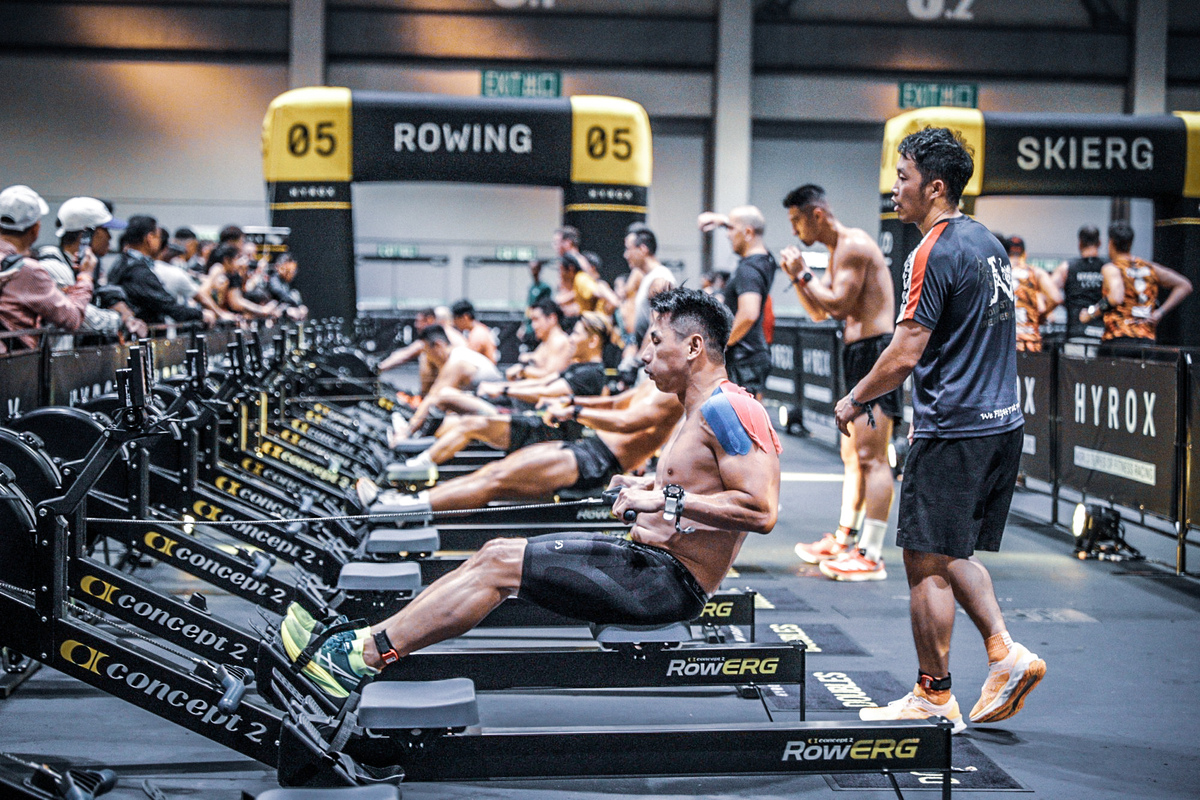
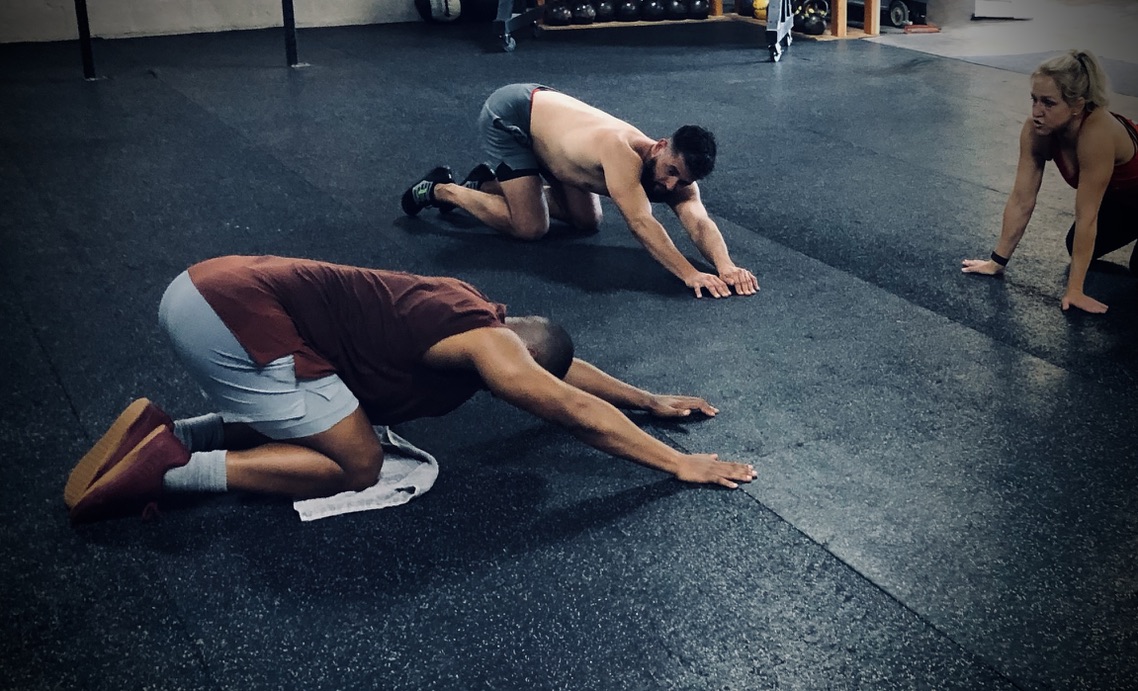
Sometimes recovery looks like taking the dog for a long walk. Riding a bike with your kids. Twenty minutes on the rower at conversation pace. Stretching while you watch television. Spending fifteen minutes working on mobility that you've been avoiding for months. Recovery is about promoting blood flow, reducing fatigue, and giving your body what it needs to bounce back.
Sleep Is Your Secret Weapon
And let's talk about sleep for a minute.
If there were a supplement that improved strength, recovery, hormone production, reaction time, learning, body composition, and athletic performance, every athlete would buy it immediately.
It's called sleep.
Seven to nine hours isn't lazy—it's performance-enhancing. Sleep is when your body releases growth hormone, repairs tissue, strengthens your immune system, and consolidates the movement patterns you practiced in the gym. If you're sacrificing sleep to squeeze in one more episode, one more hour of work, or another scroll through social media, you're giving away gains you already earned.
Play the Long Game
Here's another truth that every CrossFit athlete needs to hear: taking a rest day isn't falling behind.
Fitness isn't built in a week. It's built through thousands of smart decisions stacked together over years. Missing one workout won't make you less fit. Ignoring your body's need for recovery just might.
At our gym, we want you training with us for decades—not just until your shoulder gives out or your motivation disappears. We want you chasing new goals in your 40s, 50s, 60s, and beyond. That means learning when to push and when to recover.
So the next time your program calls for recovery—or your body is clearly asking for it—embrace it. Eat well. Hydrate. Get to bed a little earlier. Spend time with your family. Move your body without crushing it.
Then come back tomorrow ready to attack the workout. Because the goal isn't to win today's WOD. The goal is to keep getting fitter, healthier, and stronger for the rest of your life.
Train Hard. Recover Harder.








.png)







.jpg)