Stretching vs. Foam Rolling
Stretching and foam rolling do different jobs. Here is when to use each, and how to combine them.
By
October 31, 2026
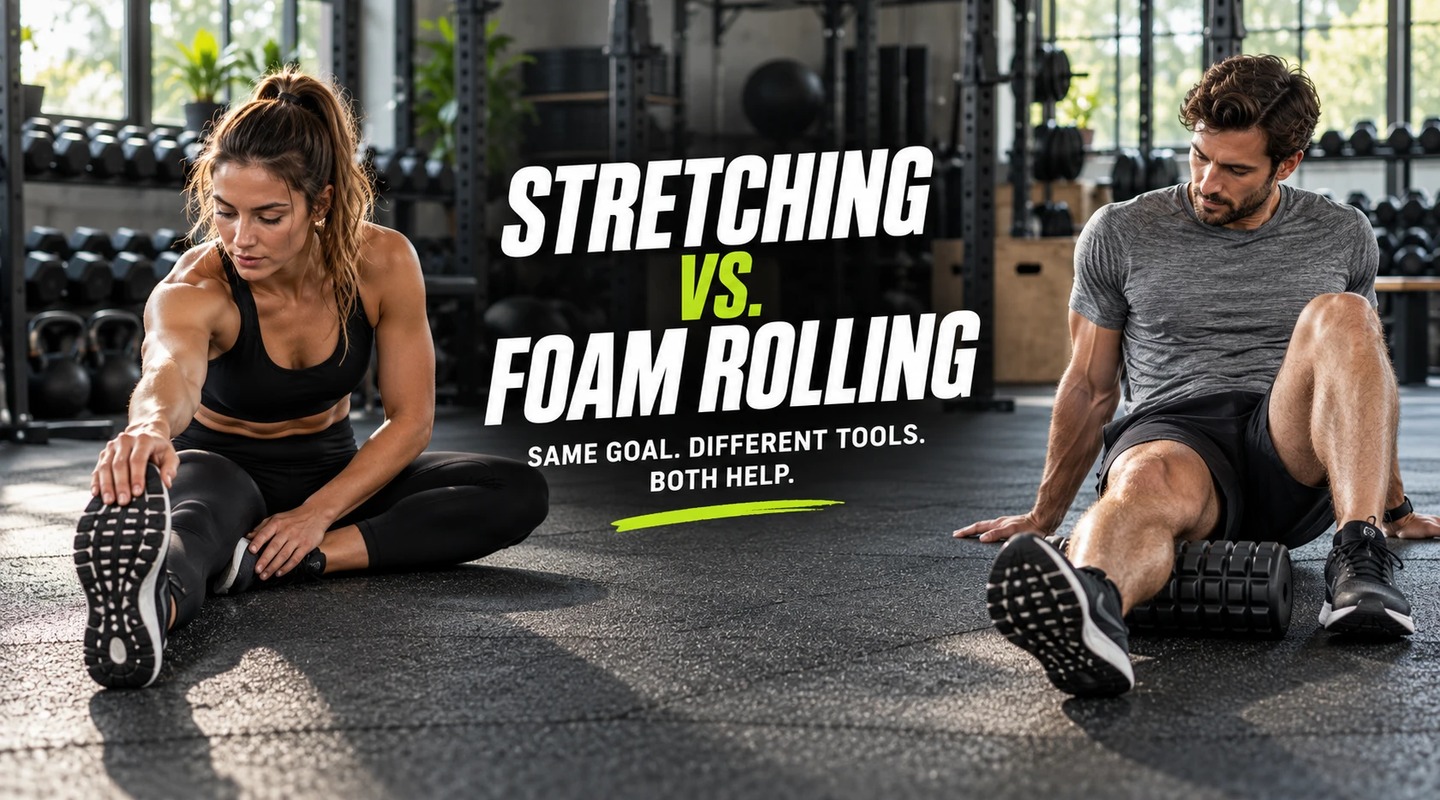

Hey team! 💪 We all want to move better, lift stronger, and recover faster, but when it comes to stretching and foam rolling, do you know which one to use and when?
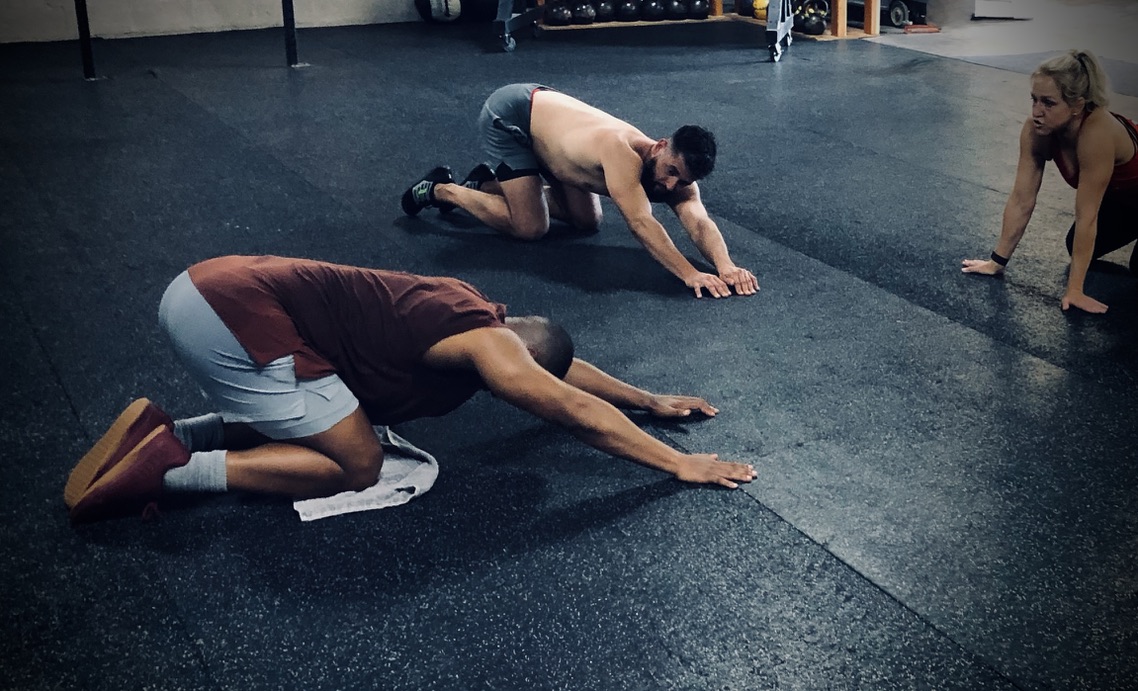
Stretching is all about improving flexibility and range of motion. Dynamic stretching—like leg swings, arm circles, and walking lunges—is great for warming up before a workout. Static stretching, where you hold a position for 15–30 seconds, can help improve flexibility when done consistently.
The upside is better mobility and less stiffness; the downside is that stretching alone may not address every tight or sore spot. And remember, long static holds right before heavy lifting or explosive movements may temporarily reduce performance, so save those for after training or a separate mobility session.
Foam rolling is a different tool for a different job. Think of it as giving your muscles a little self-massage. Rolling slowly over your quads, hamstrings, calves, or upper back can temporarily reduce that tight feeling, improve your range of motion, and help ease post-workout soreness.
The pros? It’s convenient, easy to work into your routine, and can help you feel ready to move again. The cons? It can be uncomfortable, it doesn’t replace stretching or strength work, and pressing harder doesn’t mean better results!
Start with light to moderate pressure, move slowly, and spend about 30–60 seconds on a muscle group. Avoid rolling directly over joints, bones, or injured areas, and stop if you feel sharp pain, numbness, or tingling.
So, when should you do each? Before your workout, start with 5–10 minutes of light movement and dynamic stretching to get your body ready for action.
After training—or on recovery days—try foam rolling to help ease soreness, followed by static stretching if improving flexibility is one of your goals. You don’t have to choose one over the other; they work well together!
The bottom line for our gym community: stretch to move better, roll to help manage tightness, and stay consistent with both. You don’t need a complicated recovery routine—just a few intentional minutes can make a difference.
Keep showing up, keep moving, and take care of the body that gets you through every workout! 🏋️♀️🔥