Are You an Abstainer or a Moderator?
Some people do best with a clear rule. Others need flexibility. After 25 years of coaching, Andrea Smith on why "everything in moderation" works for some of us and exhausts the rest.
By
September 9, 2026


One of the most useful things I learned about behavior change came from a year-long nutrition course I took about ten years ago.
Surprisingly, it had very little to do with knowing which foods were “good” or “bad.” Instead, a lot of it was about understanding why people do what they do.
One idea that has stuck with me ever since is the distinction between Abstainers and Moderators.
The basic idea is simple: some people find it easier to follow a very clear rule. Others do much better when they have flexibility.
An Abstainer might decide, “I don’t drink during the week.”
That’s actually easier for them than deciding each night whether tonight is an exception. Once the decision is made, the negotiation is over.
A Moderator might hear that same rule and immediately feel restricted. They’re much more successful saying, “I’ll have a glass of wine when I really want one, but I don’t need one every night.”
Neither person necessarily has more discipline.
They need different strategies.
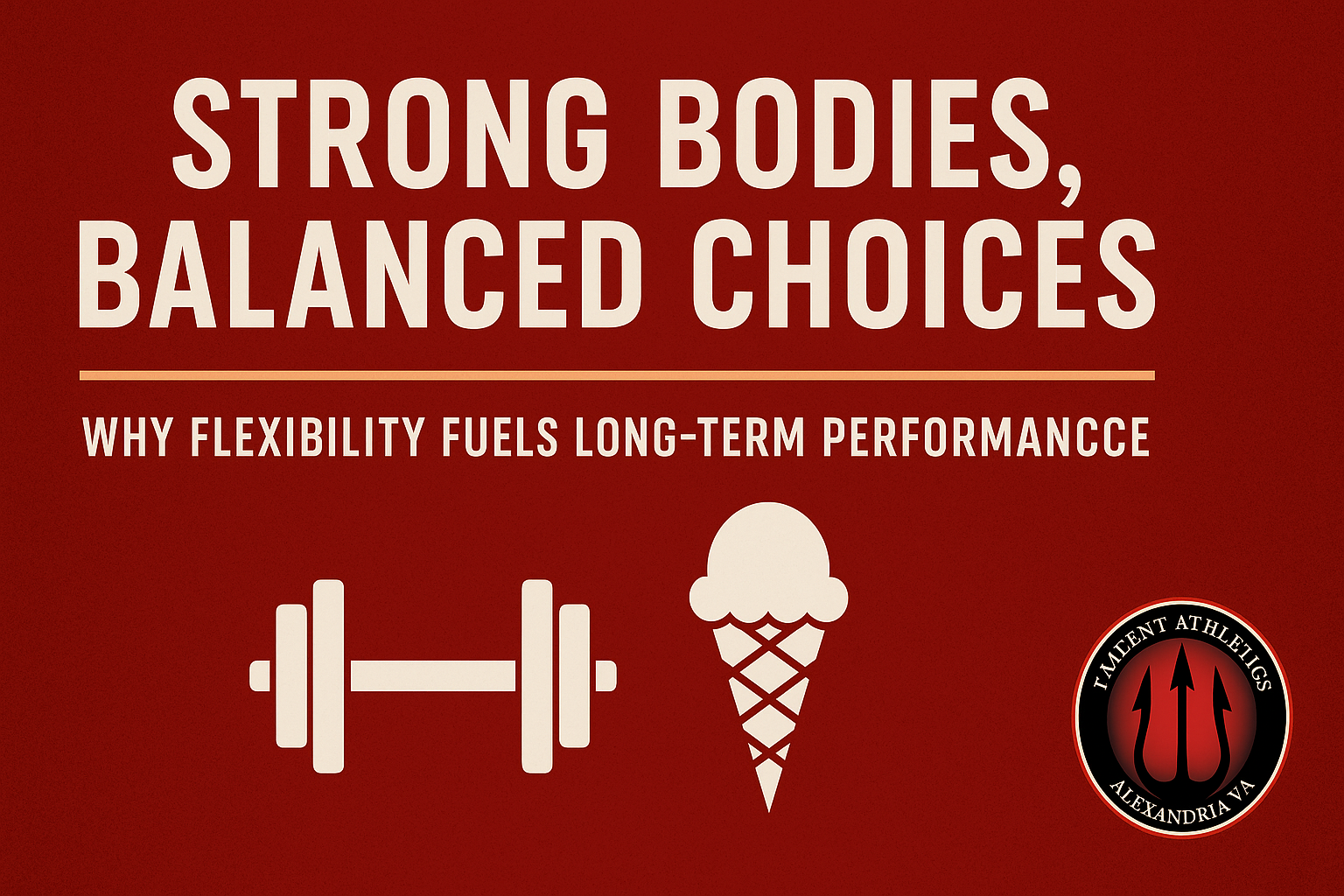
We’ve all heard the advice: everything in moderation.
For some people, that’s great advice.
For other people, moderation is exhausting.
If you’ve ever eaten one cookie and then spent the next twenty minutes thinking about whether you should have another one, you probably understand this.
Sometimes “none” requires less mental energy than “some.”
That’s one of the defining characteristics of an Abstainer. A clear boundary can actually feel freeing rather than restrictive.
Moderators tend to experience the opposite.
Tell them they can never have the cookie again and suddenly the cookie becomes extremely important. Knowing they can have one makes it easier to decide they don’t really want one.
I’ve coached people for more than 25 years, and I see versions of this everywhere.
Take training.
One person does incredibly well committing to Monday, Wednesday, and Friday every week. Those days are simply training days. Unless something significant happens, they go to the gym.
Another person feels trapped by that schedule. They may be much more consistent with a goal of getting three workouts somewhere within the week.
Same goal.
Different strategy.
You can apply the same question to alcohol, sleep, social media, spending money, recovery habits, or almost any behavior you’re trying to change.
And you don’t necessarily have to be one type across your entire life.
You might be an Abstainer with sweets and a perfectly good Moderator with alcohol. Or you might need rigid structure around training but flexibility around food.
This is the part I think matters most.
We have a tendency to turn the strategy that works for us into a moral judgment about everyone else.
The person who thrives on strict rules looks at someone using moderation and thinks:
Just commit.
The person who thrives on moderation looks at the Abstainer and thinks:
That’s way too rigid. You need balance.
Maybe neither one is right.
Behavior change isn’t just about finding the “best” strategy.
It’s about finding a strategy you can actually live with.
So instead of asking yourself what you should be able to do, pay attention to what actually happens.
When you make exceptions, do they help you stay consistent, or does one exception turn into ten?
When you make something completely off-limits, do you stop thinking about it, or does it become the only thing you can think about?
Do clear rules quiet your brain?
Or do they make you want to rebel?
Those answers tell you something useful.
After decades of coaching, I’m increasingly convinced that successful behavior change starts with curiosity rather than judgment.
Pay attention to yourself. Learn your patterns. Then build your strategy around the person you actually are, not the person some diet, training program, influencer, or coach says you should be.
Sometimes moderation is freedom.
Sometimes the clear line is freedom.
The important part is knowing which one works for you.
Andrea
















.png)









.jpg)