How to Scale Like an Athlete (Not Like You're Giving Up)
Think scaling a workout means giving up? Coach Stacy Nichols on why scaling well is what separates athletes who progress from those who just survive.
By
August 10, 2026
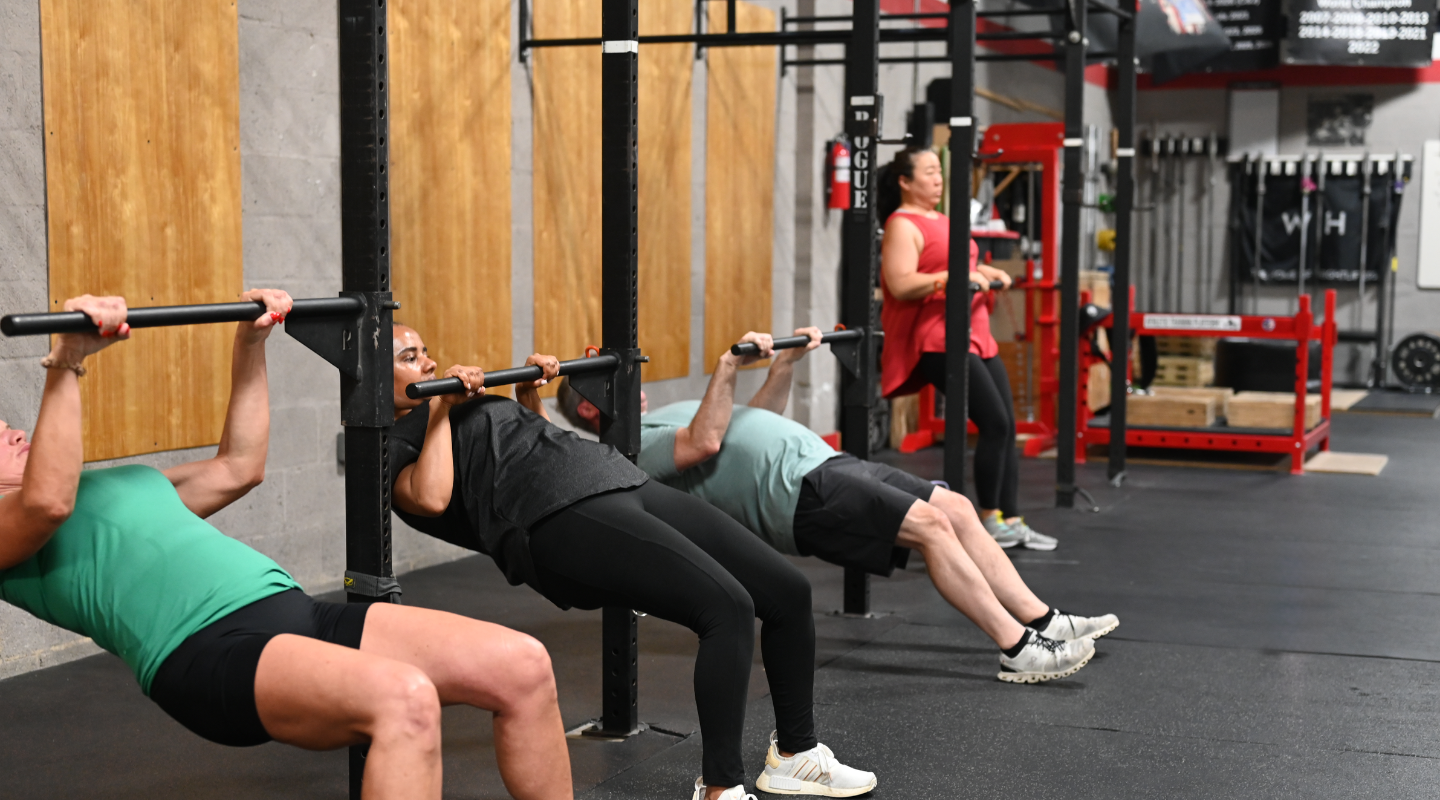

There's a moment in almost every CrossFit class when the whiteboard gets real. The weights go up. The movements get technical. The clock gets aggressive. And that quiet question creeps in: "Should I scale this?"
For a lot of athletes, scaling feels like failure. Like you're opting out. Like you're not "keeping up." But here's the truth most people learn too late: Scaling isn't a step back. It's how you move forward.
Scaling Isn't Easier — It's Smarter
The goal of a workout isn't to survive it. It's to adapt from it.
When workouts are written, they're designed with a specific stimulus:
If you go too heavy, too slow, or too fatigued to maintain that stimulus — you're no longer doing the workout as intended. You're just… doing something hard.
Athletes scale to stay inside the purpose of the workout.
The Mindset Shift: From Ego to Execution
Let's call it out: Most bad scaling decisions are driven by ego.
But here's the difference: Ego trains for today. Athletes train for progress.
Scaling well requires honesty:
If the answer isn't clear, it's time to adjust.
How to Scale Like an Athlete
Think of scaling as precision, not compromise.
1. Protect the Stimulus First
Before you touch the barbell, ask: What is this workout supposed to feel like? Is it fast and light? Heavy and grindy? Aerobic and steady? Match that feeling — not the numbers on the board.
2. Adjust One Variable at a Time
You don't need to change everything. Start with:
Over-scaling kills intensity. Under-scaling kills effectiveness.
3. Stay Moving
Intensity in CrossFit often comes from sustained effort, not max effort. If you're standing around between reps, missing lifts repeatedly, or breaking everything into singles too early… you're outside the intended stimulus. Good scaling keeps you in motion.
4. Build Toward the Rx Version (With a Plan)
Scaling isn't random — it should be progressive. Instead of "I'll just use bands again today…" try:
Every scaled choice should point somewhere.
Real Talk: Even Elite Athletes Scale
Top athletes don't "win" workouts in training. They execute them with precision. They adjust volume to manage fatigue, loads to match training phases, and movements to protect longevity. They're not chasing exhaustion. They're chasing adaptation.
What Happens When You Scale Well
When you scale like an athlete, you start to notice:
And maybe most importantly: you stop comparing — and start training.
Final Thought
Scaling isn't about doing less. It's about doing what matters — better.
So next time you look at the board, don't ask: "Can I do this Rx?" Ask: "What version of this workout will make me better today?"
That's what athletes do.











.png)







.jpg)