Heat vs. Cold Therapy: Which Should You Use After a Workout?
Ice bath or heating pad? Coach Jonathan Madary breaks down when to use cold therapy vs. heat therapy for faster, smarter post-workout recovery.
By
August 10, 2026
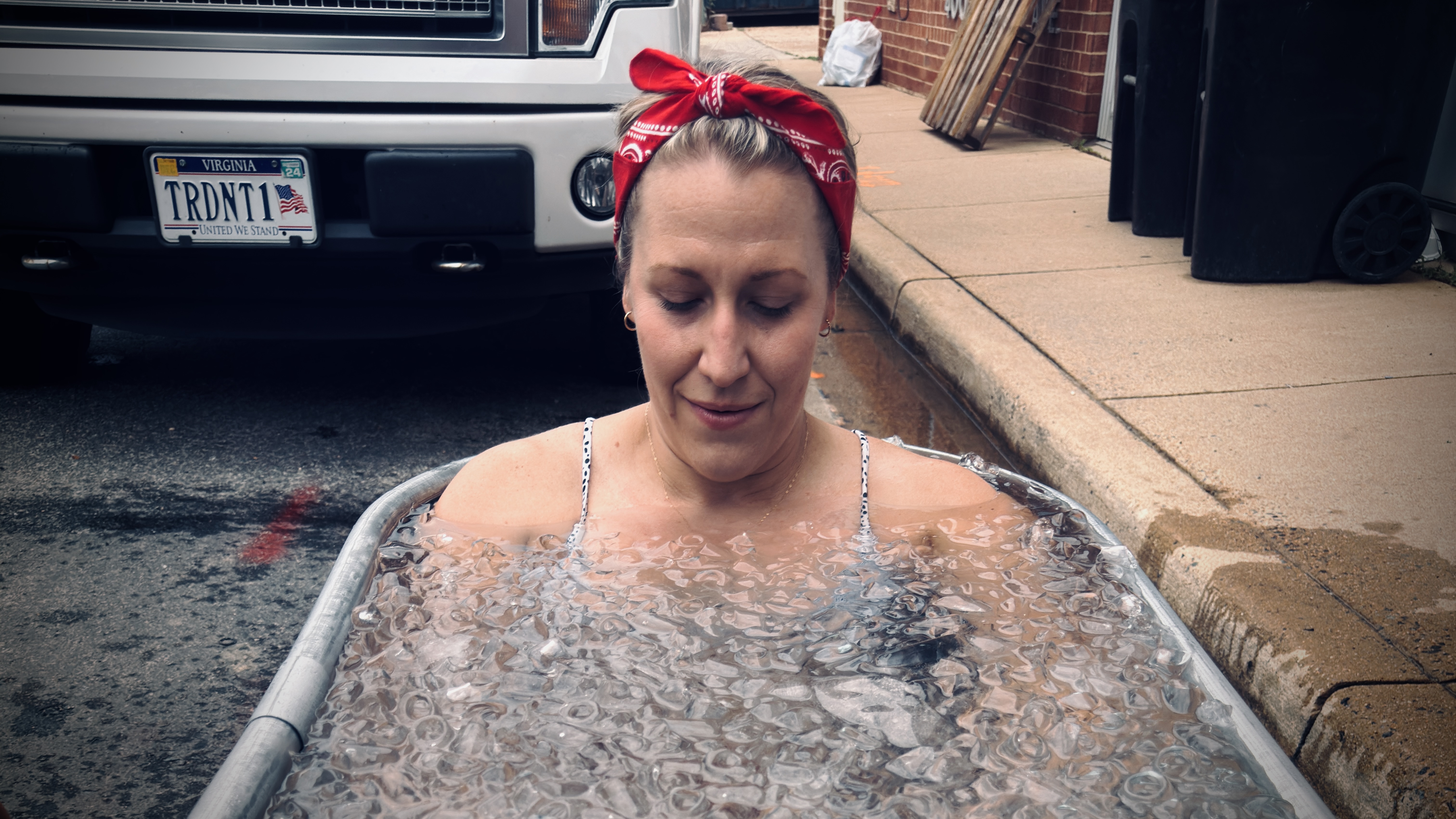

Cold Therapy
Cold therapy—such as ice packs or cold plunges—is best used immediately after an acute injury or when significant inflammation and swelling are present. It helps reduce pain and inflammation by constricting blood vessels and slowing nerve activity. However, using cold therapy after every workout may not be ideal for those focused on maximizing muscle growth and strength adaptations.
Heat Therapy
Heat therapy—such as heating pads, warm baths, or saunas—is generally better for relieving muscle stiffness, improving mobility, and promoting relaxation. By increasing blood flow to muscles, heat can help reduce tightness and improve flexibility, making it especially useful before exercise or during recovery from normal post-workout soreness.
The Simple Rule of Thumb
A simple rule of thumb is: use cold for inflammation and acute injuries, and use heat for stiffness and muscle tightness. While both can be effective recovery tools, they work best when combined with the fundamentals of recovery—quality sleep, proper nutrition, hydration, and smart training.
Contrast Therapy
Another recovery option gaining popularity is contrast therapy, which alternates between heat and cold exposure. Many athletes use this technique to stimulate circulation and reduce feelings of soreness after intense training sessions. While scientific evidence is mixed regarding its superiority over heat or cold alone, many individuals find it beneficial for improving overall recovery and perceived readiness for their next workout.
Recovery Is Individual
It's also important to remember that recovery needs vary from person to person. Factors such as training intensity, age, fitness level, sleep quality, and stress can all influence how your body responds to different recovery methods. Experimenting with heat and cold therapy can help you determine which approach works best for your individual goals and recovery needs.
For most athletes, the choice comes down to your recovery goals. If you're dealing with a swollen knee after a tough run or a minor strain from training, cold therapy can help manage symptoms. If you're feeling tight, sore, or sluggish before your next workout, heat therapy may help you move more comfortably and perform better. Used appropriately, both methods can be valuable additions to your recovery routine.












.png)








.jpg)