Functional Fitness Builds the Base That Endurance Depends On
Long runs and cycling events aren't just about heart and lungs. They demand:
- Durable joints and connective tissue
- Efficient movement patterns
- Core stability under fatigue
- The ability to sustain output without things breaking down
Functional fitness addresses these needs directly.
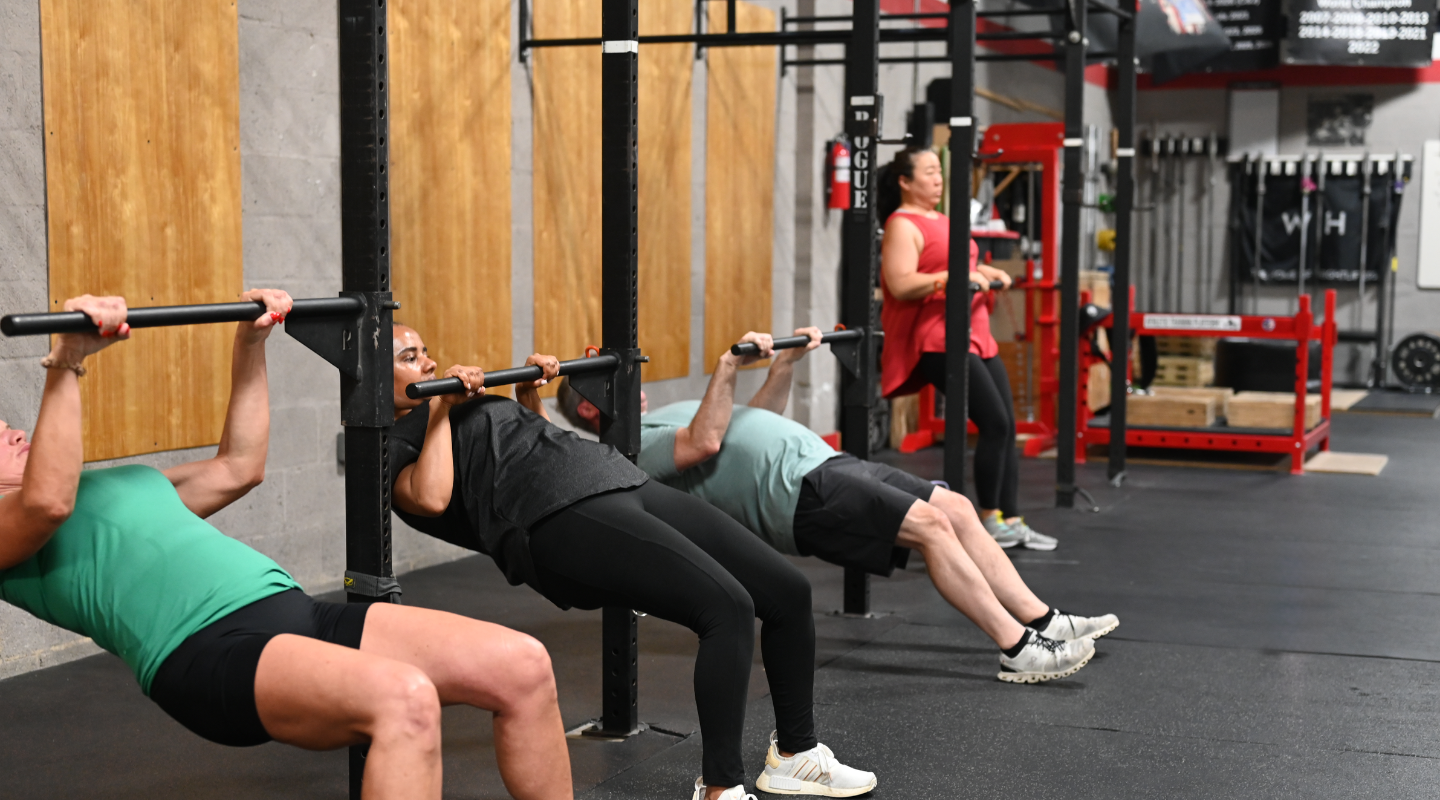
Squats, lunges, hinges, carries, pressing, and pulling — performed under varied loads and conditions — create structural resilience. That matters when you're 90 minutes into a run and your hips want to collapse, or four hours into a ride and your lower back and shoulders start to ache.
You may not spend hours running or riding inside the gym, but the strength you build there helps your body hold together when time and fatigue pile up outdoors.
Strength Training Improves Endurance Economy
A common misconception is that strength training and endurance training compete with each other. In reality, strength work often improves endurance performance.
Stronger muscles mean:
- Fewer relative efforts per stride or pedal stroke
- Better force transfer into the ground or bike
- Reduced energy leaks due to poor positioning or posture
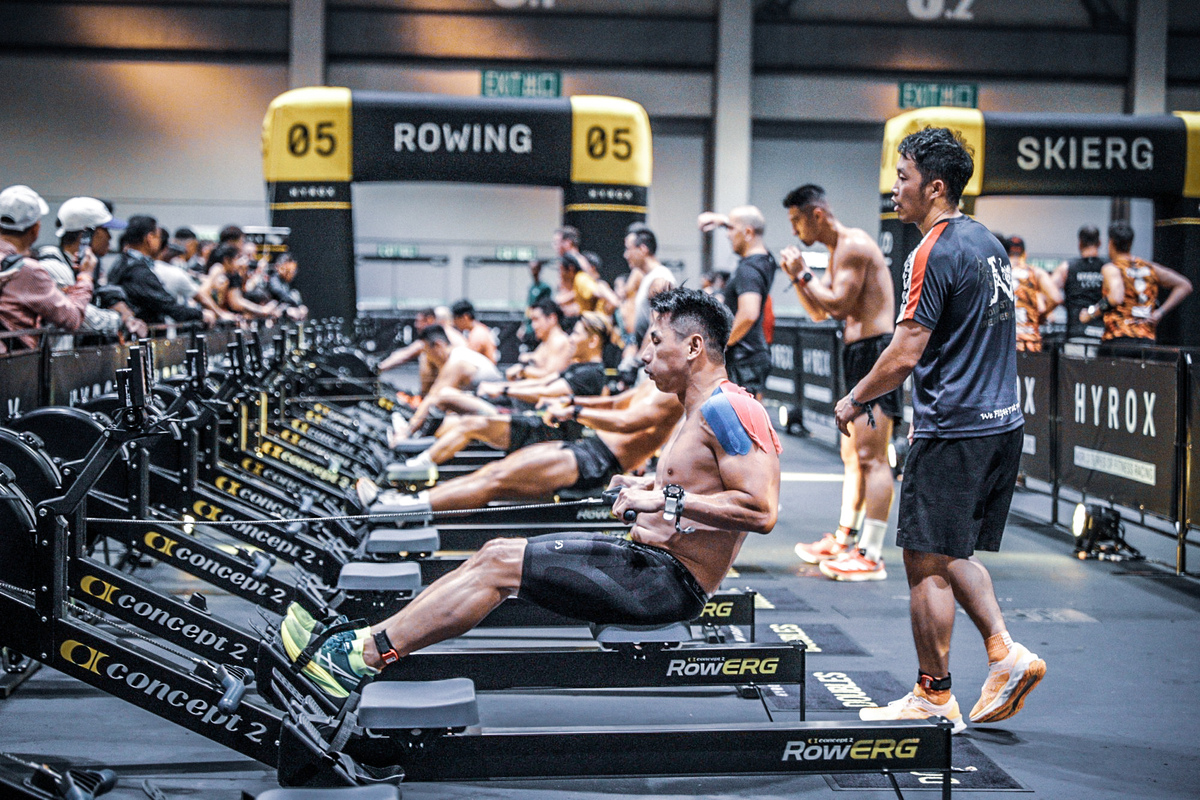
Functional fitness workouts frequently train strength under fatigue — think front squats after rowing, or lunges followed by carries. This enhances your ability to produce force when tired, which is exactly what late-event endurance demands.
Put simply: if your legs and trunk are stronger, your aerobic system doesn't have to work as hard to do the same work.
Mixed Modal Training Trains Fatigue Management
Outdoor events rarely test just one quality. They expose weaknesses.
A long run challenges:
- Breathing efficiency
- Leg stamina
- Postural endurance
- Mental pacing
Functional fitness trains athletes to manage discomfort while switching demands: lifting after cardio, moving under load, bracing while breathing hard. That skill translates directly to endurance events, where terrain, weather, hills, and nutrition force constant adjustment.
You're not just fitter — you're better at handling stress without spiraling.
Injury Resistance Is a Long-Event Superpower
Most endurance events don't end because someone lacked motivation. They end because something hurt too much to continue.
Regular functional fitness:
- Strengthens hips, knees, ankles, and shoulders
- Promotes balanced development instead of repetitive-use dominance
- Trains full ranges of motion instead of narrow patterns
Movements like farmer carries, step-ups, single-leg work, and rotational core training prepare your body to absorb miles without compensatory breakdowns.
Consistency in the gym often means fewer "why does this suddenly hurt?" moments outdoors.
Mental Toughness Carries Over — Literally
Anyone who has pushed through a tough workout understands this: learning to stay composed when things hurt is a skill.
Functional fitness classes regularly expose athletes to:
- Time-based challenges
- Fatigue-induced decision making
- Managing effort instead of sprinting recklessly
That experience pays dividends during long events. You know how to pace yourself. You recognize when to back off slightly instead of blowing up. You understand that discomfort doesn't automatically mean danger.
That mindset often matters as much as physical conditioning.
Important Caveat: Specific Preparation Still Matters
Functional fitness is a powerful foundation, but it isn't a substitute for specificity.
If you're training for:
- A half marathon: you still need steady runs
- A century ride: you still need saddle time
- A trail race: you still need uneven terrain exposure
The difference is this: functional fitness makes those specific sessions safer and more productive, not harder to recover from.
Think of gym training as the scaffolding that supports your event-specific work, not a replacement for it.
Spring Is the Perfect Time to Leverage Both Worlds
As outdoor opportunities increase, the best approach isn't choosing between the gym or endurance training. Combine them intelligently.
Keep showing up for functional fitness. Layer in longer, lower-intensity outdoor sessions. Your strength, mobility, and durability is an advantage rather than a liability.
When the starting line arrives, you won't just be "in shape." You'll be prepared.










.png)








.jpg)