If you work out consistently, chances are you’ve experienced tight muscles, nagging aches, or a movement that just doesn’t feel quite right.
Whether you’re training for your next workout, planning to do a race, chasing a new deadlift PR, or simply trying to stay active, your muscles take on a tremendous amount of stress.
One treatment that has become increasingly popular among athletes is dry needling.
While it isn’t a magic fix, it can be a valuable tool to help reduce pain, improve movement, and get you back to doing what you love.
What Is Dry Needling?
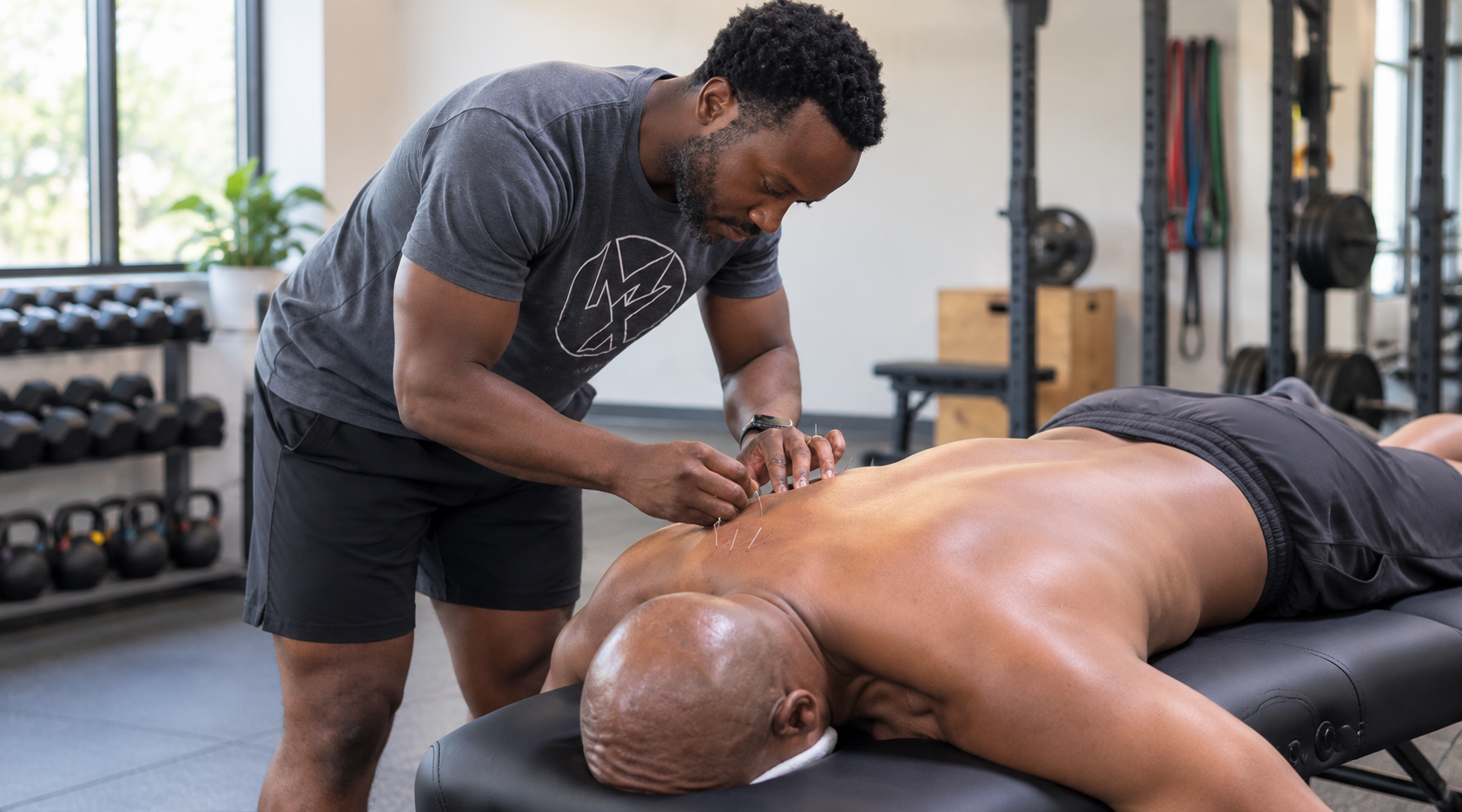
Dry needling is a treatment performed by a licensed healthcare professional in which a thin, sterile needle is inserted into tight muscles or trigger points.
The goal is to reduce muscle tension, improve blood flow, and help restore normal muscle function.
Although it uses needles similar to acupuncture, dry needling is based on modern anatomy and movement science. The focus is on treating muscles and connective tissue that are contributing to pain or movement limitations.
Why Athletes Benefit
Exercise creates positive stress on the body, but sometimes that stress accumulates faster than we recover.
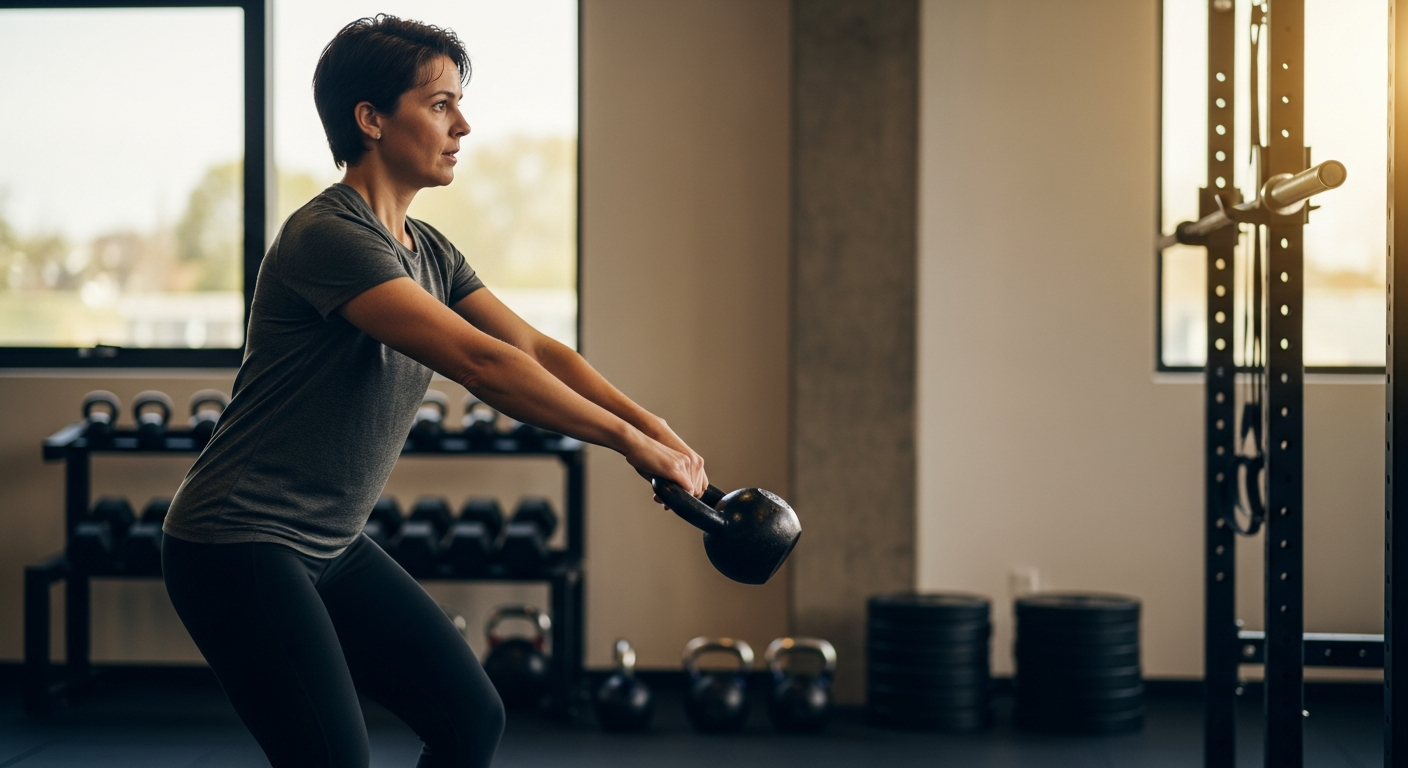
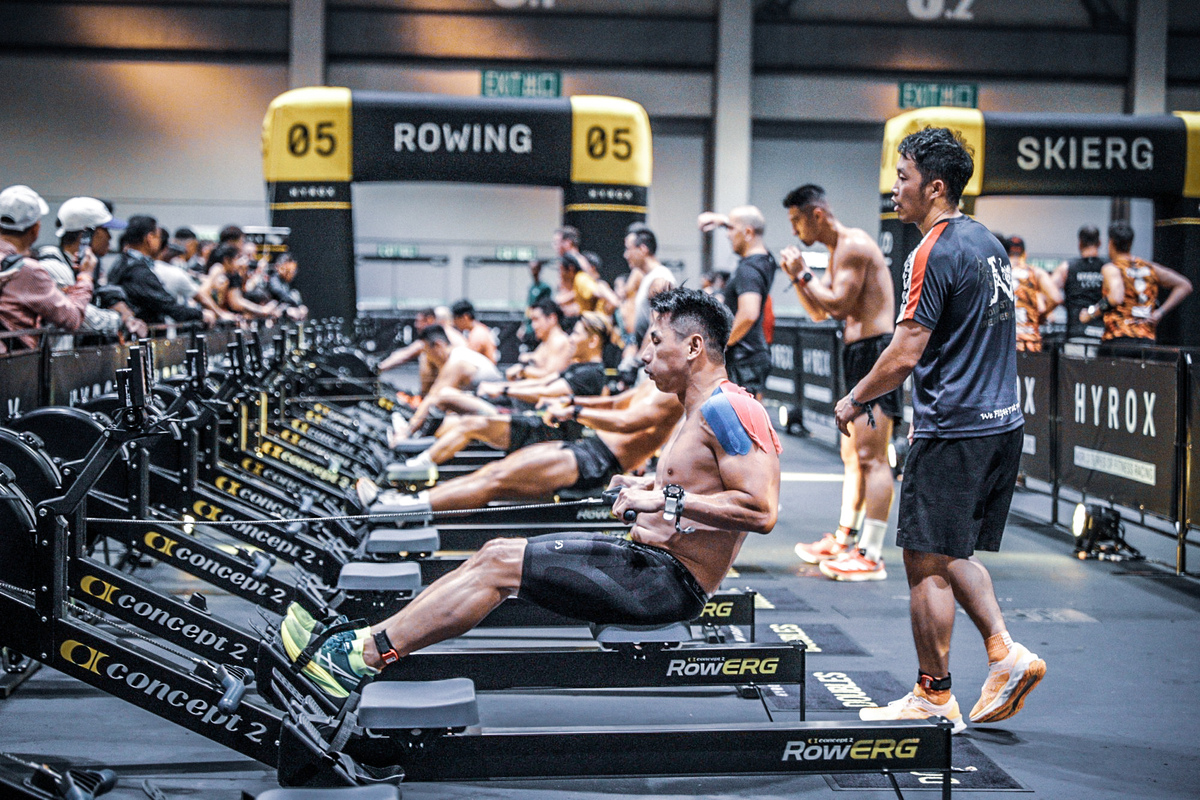
Heavy lifting, repetitive movements, running, rowing, gymnastics, and overhead work can all lead to muscles becoming overworked or developing painful trigger points.
Dry needling may help with:
- Reducing muscle tightness
- Improving range of motion
- Decreasing pain and soreness
- Restoring normal muscle activation
- Helping athletes move more efficiently
- Supporting recovery alongside exercise and rehabilitation
Many athletes report feeling freer movement soon after treatment, although responses vary from person to person.
Common Areas We Treat
Some of the most common complaints from active individuals include:
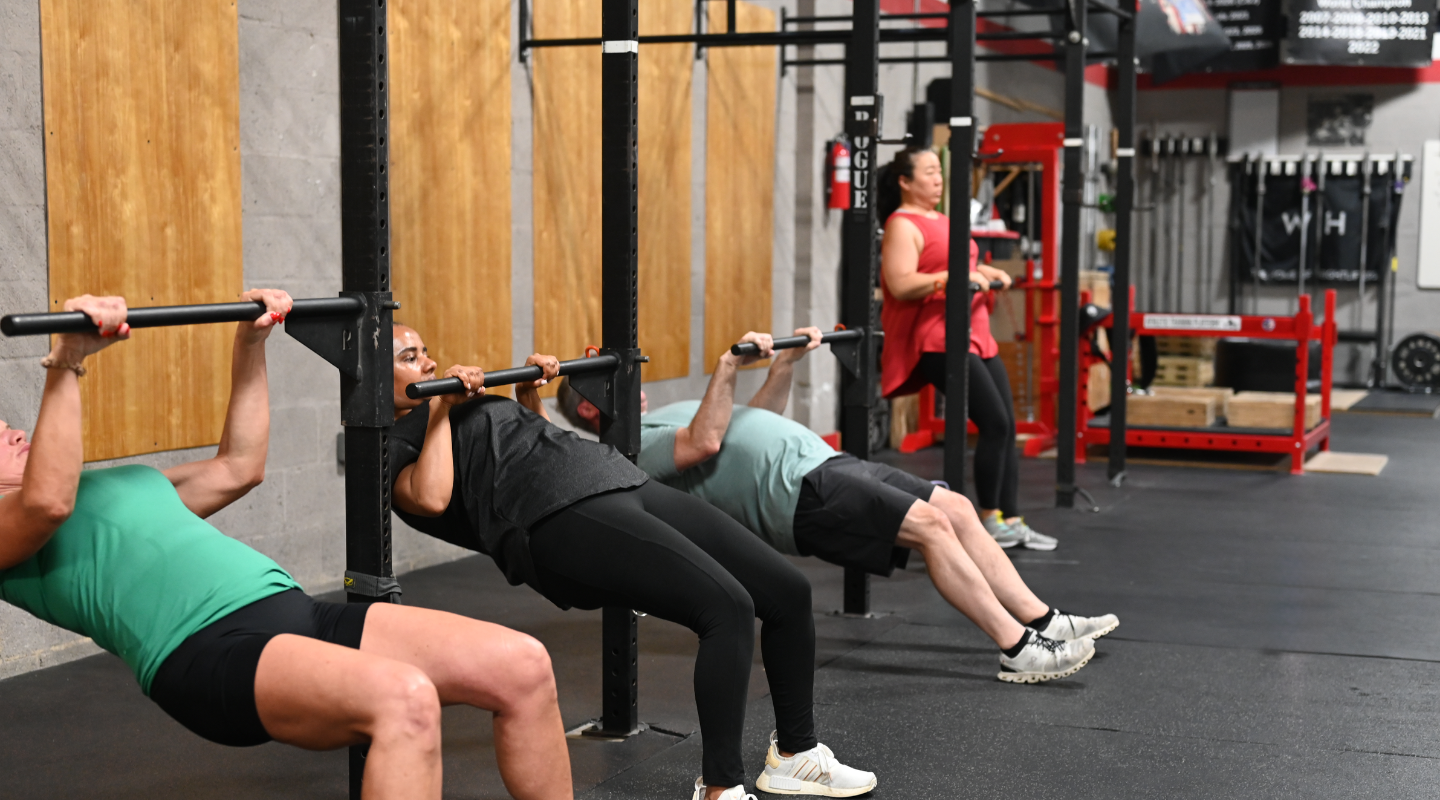
- Shoulder pain during presses, pull-ups, or snatches
- Tight hips affecting squats or running
- Low back tightness after heavy lifting
- Calf or Achilles tightness from running or jumping
- Forearm pain from gripping barbells or climbing ropes
- Neck and upper trap tension from desk work combined with training
Dry Needling Is Part of the Solution
One of the biggest misconceptions is that dry needling “fixes” the problem by itself.
In reality, it works best as part of a comprehensive treatment plan.
Dry needling is often combined with:
- Movement assessments
- Manual therapy
- Mobility work
- Strengthening exercises
- Corrective movement strategies
- Education on recovery and training
The goal isn’t just to help you feel better for a day or two.
It is to help you move better and stay active over the long term.
Will It Hurt?
This is one of the most common questions we hear.
Most people are surprised by how comfortable the treatment is. You may feel a brief muscle twitch or cramping sensation when the needle reaches a trigger point. This is normal and can occur as the muscle responds to treatment.
Afterward, it’s common to experience mild soreness similar to what you might feel after a good workout. This usually resolves within 24–48 hours.
Who Should Consider Dry Needling?
Dry needling may be appropriate if you:
- Have persistent muscle tightness that stretching doesn’t improve
- Feel limited in your mobility during workouts
- Experience recurring aches after training
- Have pain that’s interfering with performance or daily activities
- Want to improve movement while continuing to train
An evaluation with a qualified healthcare provider can help determine whether dry needling is an appropriate option for your specific condition.
Recovery Is Training
Many athletes focus on the workout itself but overlook recovery.
Recovery isn’t simply taking time off. It’s what allows you to continue performing at your best.
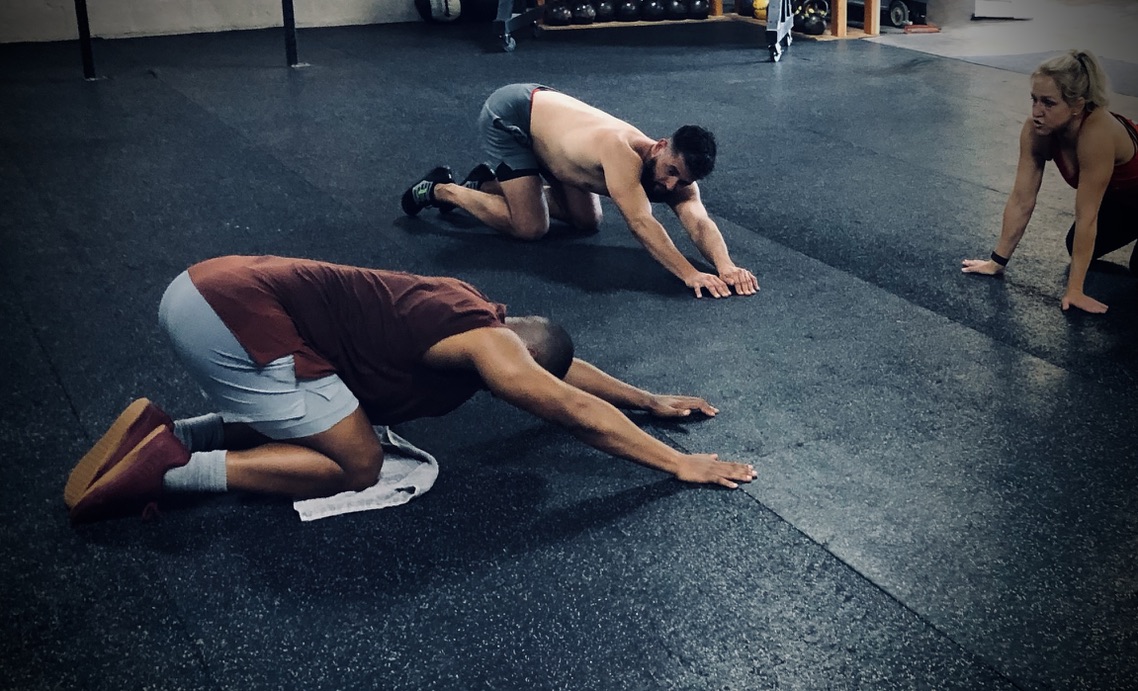
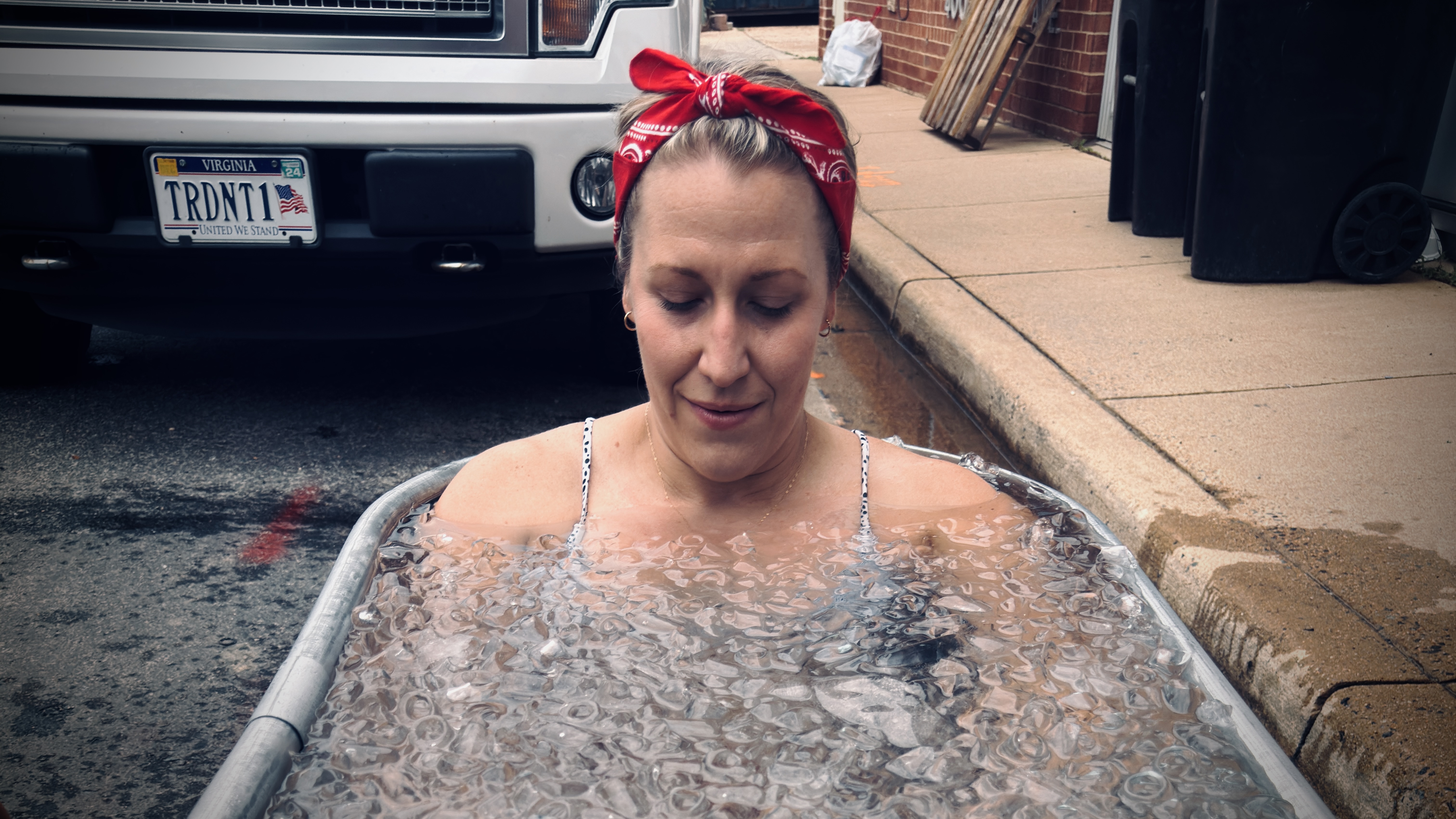
Sleep, nutrition, hydration, mobility, strength training, and treatments like dry needling can all play important roles in keeping your body healthy.
When used appropriately, dry needling can be a useful addition to your recovery toolbox, helping you move with less pain, better mobility, and greater confidence.
Ready to Move Better?
If pain, tightness, or limited mobility are keeping you from training the way you want, talk with a qualified healthcare provider about whether dry needling could be a useful part of your body-care plan.
Coach Stacy










.png)









.jpg)