The Lyme disease - A Cautionary Tale.
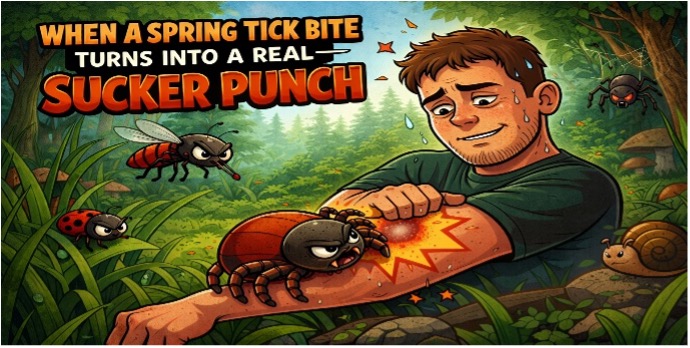
Spring weather is just around the corner,really I promise. I know it is hard toimagine snow still pilled up in parking spaces, but before we know it we willbe getting back outside to play. Andwhen we do so will ticks and other annoying bugs and critters.
Last year, I spent about three months dealing with Lymedisease, and I got off easy.
I spend a lot of time outdoors—mostly in the woods, on thewater, or in the marsh. A few weeks after a trip to southwest Virginia, I camedown with what I thought was a cold… then maybe the flu. I woke up on a Mondayfeeling off: low energy, achy, and chills. I went home at midday, took Tylenol,drank Gatorade, lots of vitamin C, and got in bed. Spring colds happen, right?
By Friday, I felt little better. The chills, fever, and bodyaches had eased up. The following Monday, I returned to light workouts and somecoaching. By the end of that week (now week two), I felt good enough to do alonger, low-intensity grinder workout—thinking, “I’m fine. Sweat it out, bedone with this.”
Then Sunday morning came, and wham! The boomerang hit.
Same symptoms, but worse: chills, fever spikes, body aches,and intense fatigue. Nothing helped. The fever kept cycling, I couldn’t sleep,and I could barely move around. Miserable.
So I called my doctor, who I had consulted with earlier.
“Hey Doc, could this be Lyme?”
I told him the symptoms were back, worse, and nothing washelping. I asked, “Could this be Lyme disease? Should I come in for a bloodtest?”
He replied: “Blood tests aren’t always reliable. Come intomorrow. I need to examine you in person.”
Turns out, I had the right doctor. Early in his career, heworked in upstate New York and had seen hundreds of Lyme cases. Before I couldeven sit down, he said, “Yep, you’ve got Lyme.”
I had no rash, no rings, no telltale “bullseye” from tickbite.
But I had been in the woods constantly sitting in brush,getting crawled on by bugs. It made sense.
The Lesson: Lyme Is the Great Imposter
Lyme is known for looking like something else, masking symptoms.It can feel like the flu—but not exactly the flu. It can feel like fatigue—butnot normal “life is busy, I train hard” fatigue. It’s deceptive.
In my case, the lack of other symptoms was the clue:no congestion, no cough, no sore throat—just recurring systemic discomfort,fever, and fatigue.
I started a two-week course of doxycycline, and within a fewdays I turned the corner. About six weeks later, I was back to 100%. I had lostsome strength, and stamina but its coming back. I am touching intensity again,one workout at a time.
The Takeaway-
Ifyou train or play outdoors, hunt, hike, or spend time in grass and brush, readthis twice:
- 🧴 Use bug spray.
- 🎯 Check for ticks—everywhere.
- ❗ If something feels off and doesn’t follow a normal flu/cold pattern, trust your gut.
- Consult with a doctor that is familiar with Lyme Disease
Catching it early made all the difference for me. We’ve hadTrident members who battled Lyme for years before getting the right diagnosisand treatment. It’s serious, and it can have long-term effects if missed. Alsoimportant: blood tests are not always conclusive, especially early on.
Resources Worth Bookmarking
CDC Lyme Disease Home
CDC Prevention Tips
Johns Hopkins: 5 Tips to Prevent Lyme
FDA Guide: Ticks & Lyme
Be safe, be smart, have fun —and keep showing up foryourself, and others.
—Christopher Campagna




















.png)










.jpg)